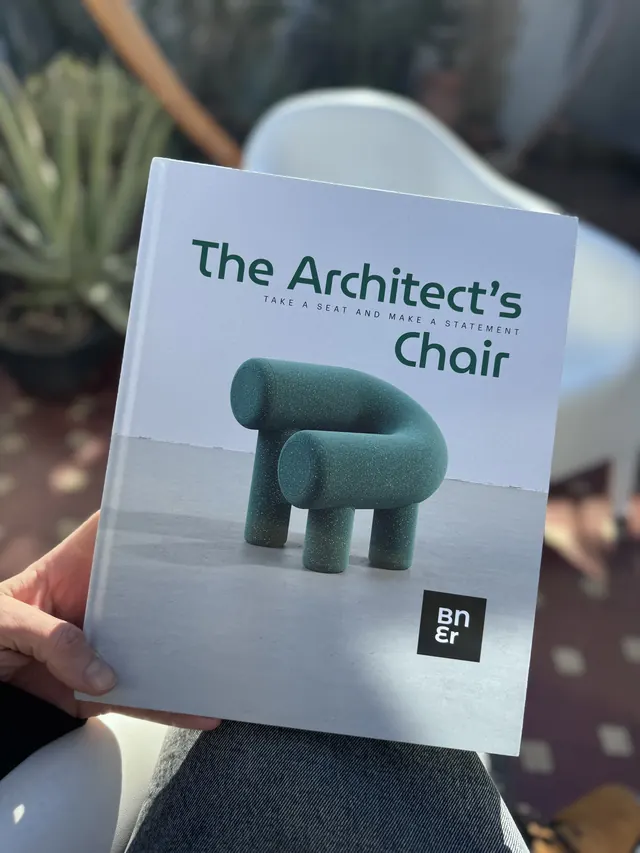
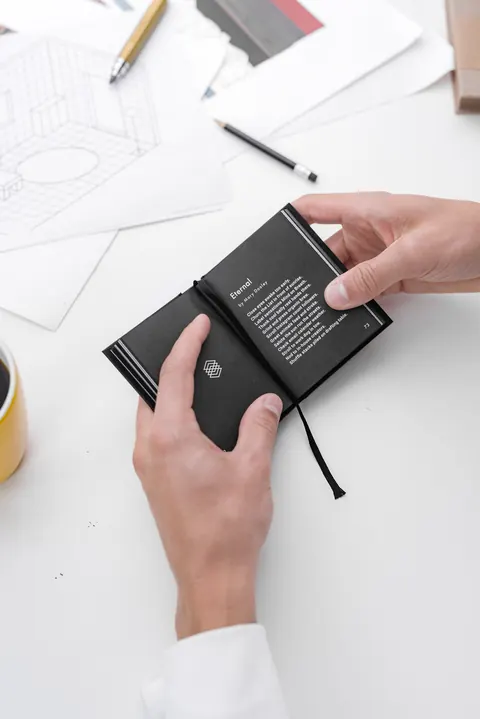
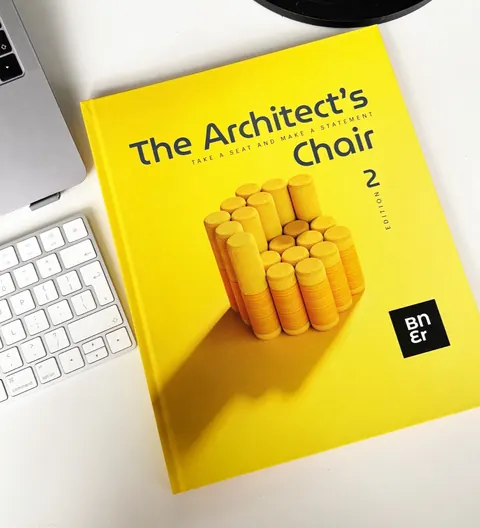
A place on your shelf.
For dog-eared pages, desk-side references, and ideas you come back to. Delivered worldwide, with free shipping.
Disponibile anche in italiano.
ItalianoDisponible también en español.
EspañolÉgalement disponible en français.
Français books
The Buildner bookshop / Ideas worth keeping
A new perspective. A spark for your next project. Books that belong on your desk, and in your thinking.
Find your next readThe reading room
From a single chair to a different way of living.
Find the perspective you’re looking for.
The printed books
Six of the titles come in print, from a 256-page hardcover to a notebook that fits in a pocket. Printed copies ship free, worldwide.
The review
Show It Better, the YouTube channel on communicating architecture visually, goes through What is Small-Scale Architecture?, from the interviews to the competition designs.
A review by Show It Better, on Buildner’s YouTube channel.
In their words
Every ARCHHIVE book asks one question. Ben van Berkel and Kengo Kuma answer two of them.
 Ben van BerkelFounder and principal architect, UNStudio, Amsterdam.
What is Small-Scale Architecture?“Small scale projects sometimes generate ideas which can later be extended to larger scale projects. They not only perform as a testing ground for geometric, material and construction related considerations, but they are also invaluable when testing ideas on a conceptual level. Or better said, how to combine the two.”
 Kengo KumaFounder, Kengo Kuma & Associates, Tokyo.
What is Affordable Housing?“In our current era, it’s imperative to reevaluate and alter our understanding of ‘living’ within a home. The key aspect of this evolution is ensuring that all housing we envision and bring to life must be accessible in terms of affordability.”
The MICROHOME collection / Issues 01–04
Small homes are a testing ground for big ideas. Explore built projects and competition concepts that rethink how we live.
See all four issuesYour desk. Your device. Your choice.
For dog-eared pages, desk-side references, and ideas you come back to. Delivered worldwide, with free shipping.
Take your reading from the studio to the train. Digital editions for your laptop, tablet, or phone.
The printed edition for your desk and its digital companion for everywhere else. Available on selected titles.
Find your perfect pair ↗From the world of Buildner
For over a decade, Buildner has brought architectural ideas into the world through international competitions. These books bring that spirit to your bookshelf: different voices, unexpected approaches, and possibilities worth exploring.
Discover Buildner ↗A few useful things
Yes. Each book page shows the editions available for that title. Some are PDF-only, some offer print and PDF, and selected titles also have a print + PDF bundle.
Nothing. Printed books ship free worldwide, and we email you the tracking details as soon as your order is on its way.
Yes. You have 14 days from the day it arrives to change your mind: choose Withdraw from contract at the bottom of any page, then send the book back. The bookstore terms have the details.
Digital books and MICROHOME magazines are supplied as PDFs. A print + PDF bundle includes both editions of the same title.
Inside the book
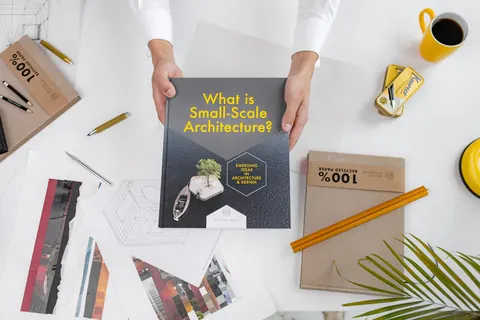
ARCHHIVE Issue 02, made by Buildner when it was still called Bee Breeders, asks the people who build small what small can do. A lab that makes concrete blocks walk, a company that rents out beds by the hour, a studio that set an island with a tree afloat. Seventeen interviews, sixteen essays and twenty-two competition designs.
The review
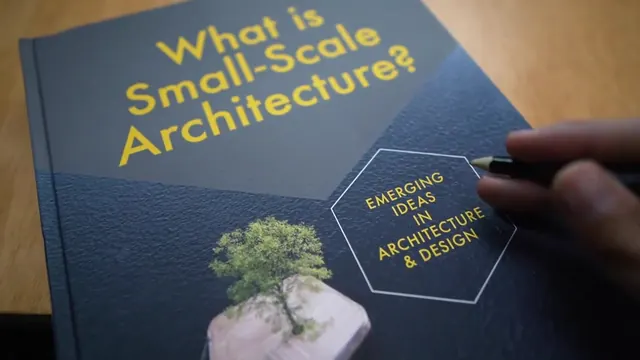
Show It Better, the YouTube channel on communicating architecture visually, opens the printed book on a desk and goes through it: the interviews, the essays and the competition designs.
A review by Show It Better, on Buildner’s YouTube channel.
“Small scale projects sometimes generate ideas which can later be extended to larger scale projects. They not only perform as a testing ground for geometric, material and construction related considerations, but they are also invaluable when testing ideas on a conceptual level. Or better said, how to combine the two.”
The printed book
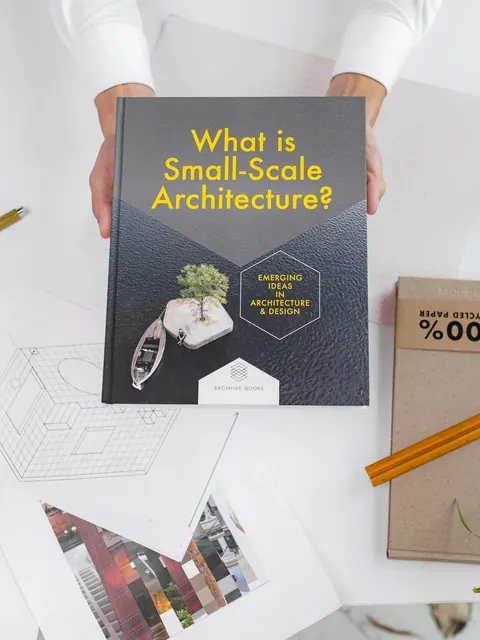
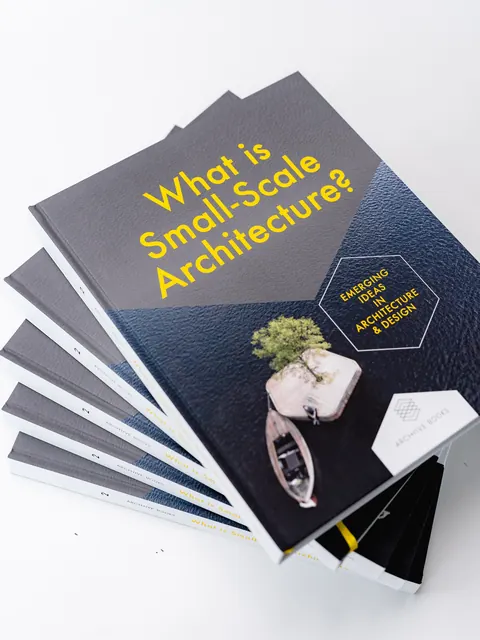
Hardcover, 240 × 297 mm, 256 pages in colour.
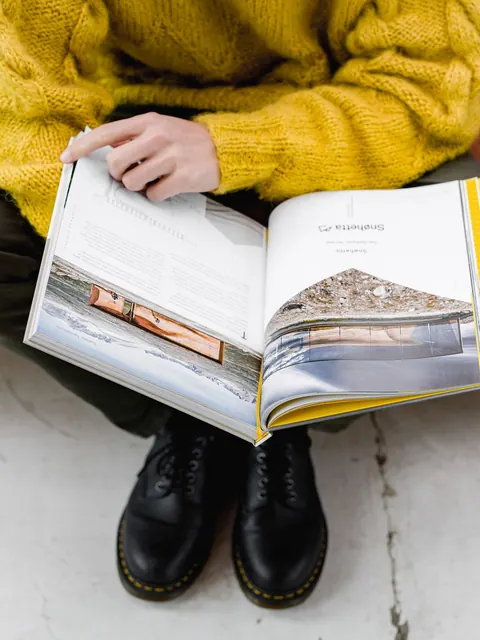
Turn the pages
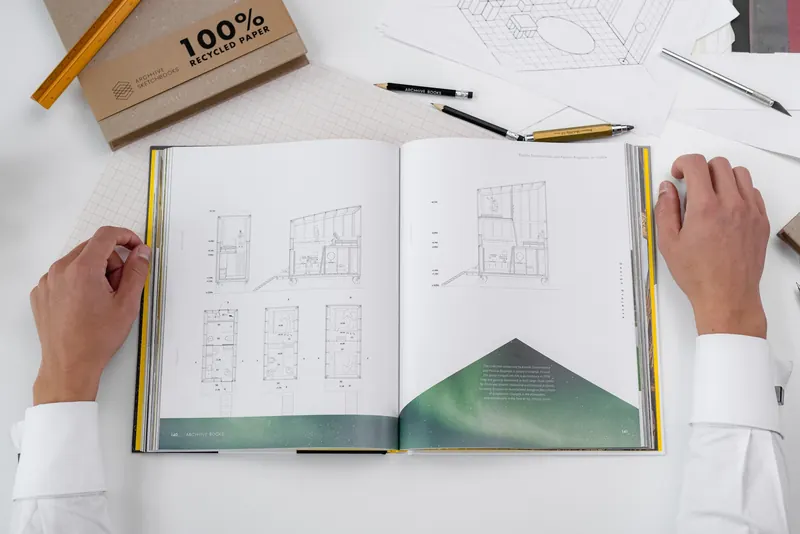
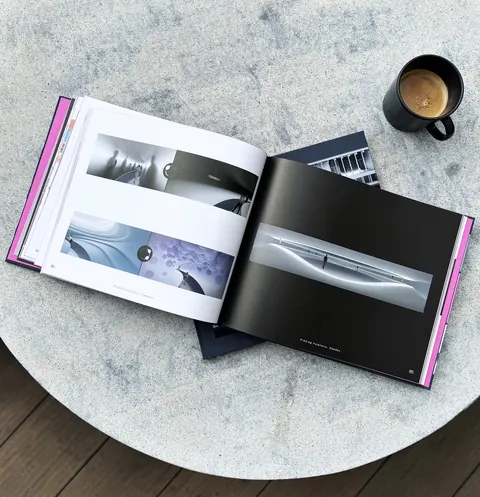
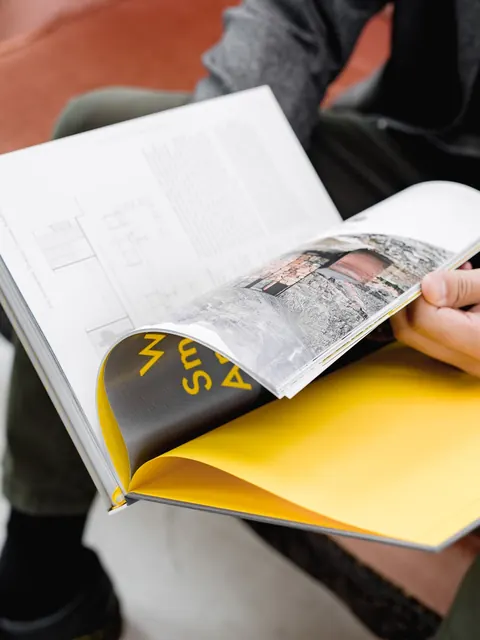
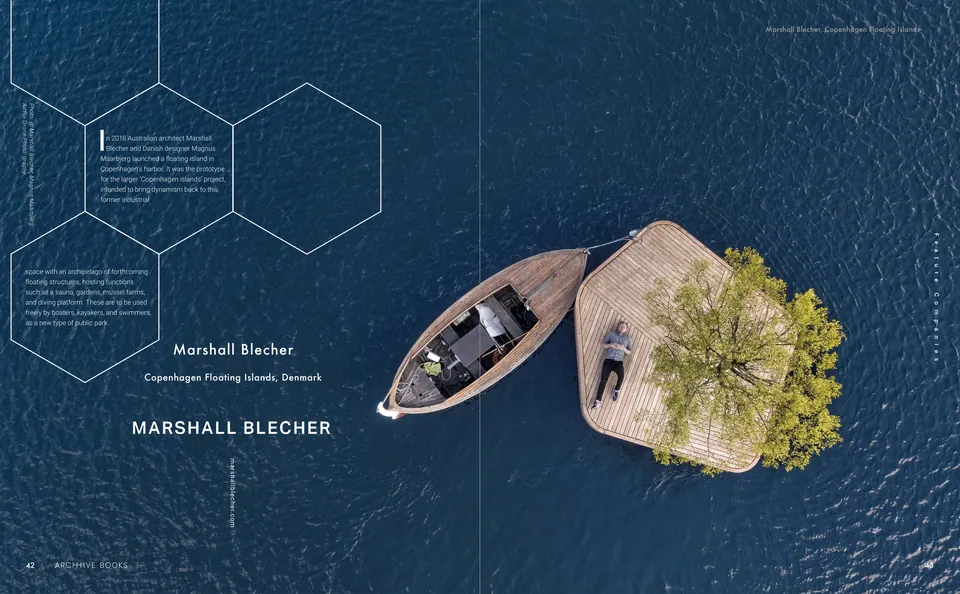
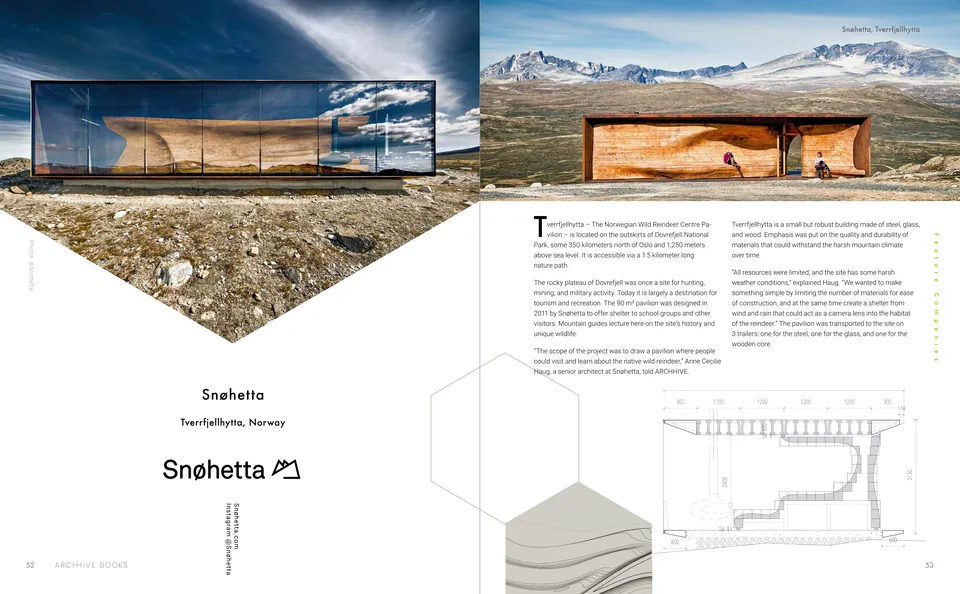
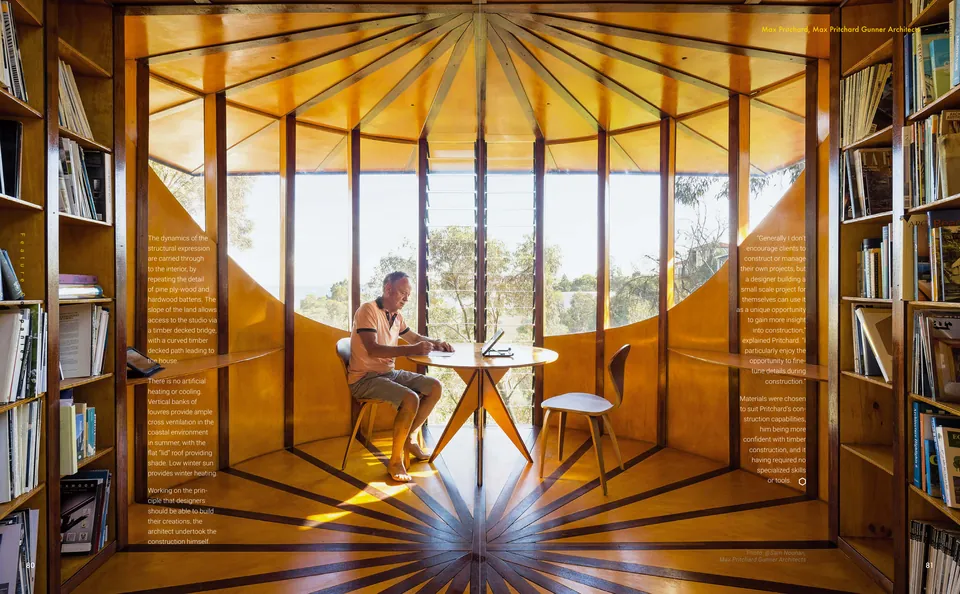
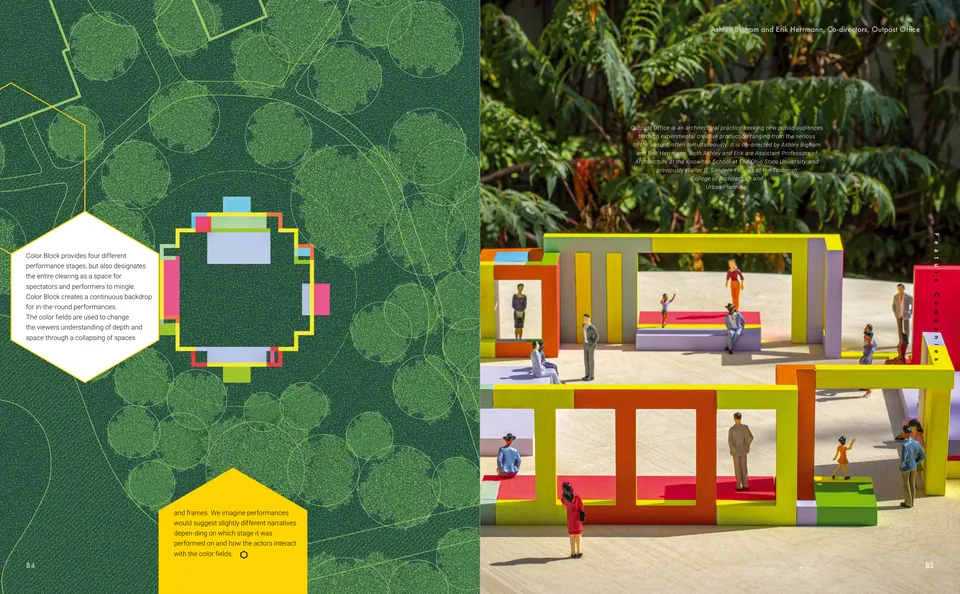
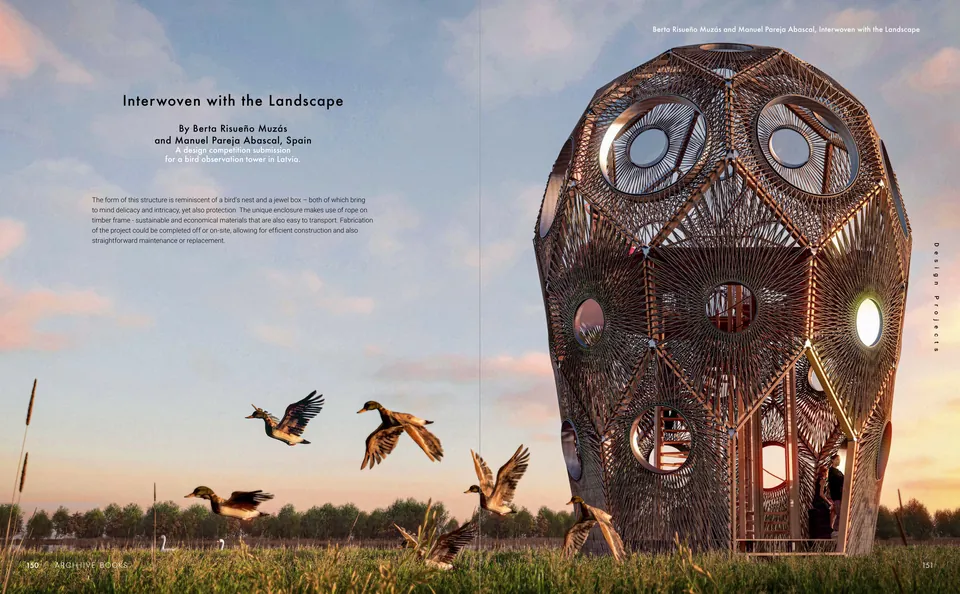
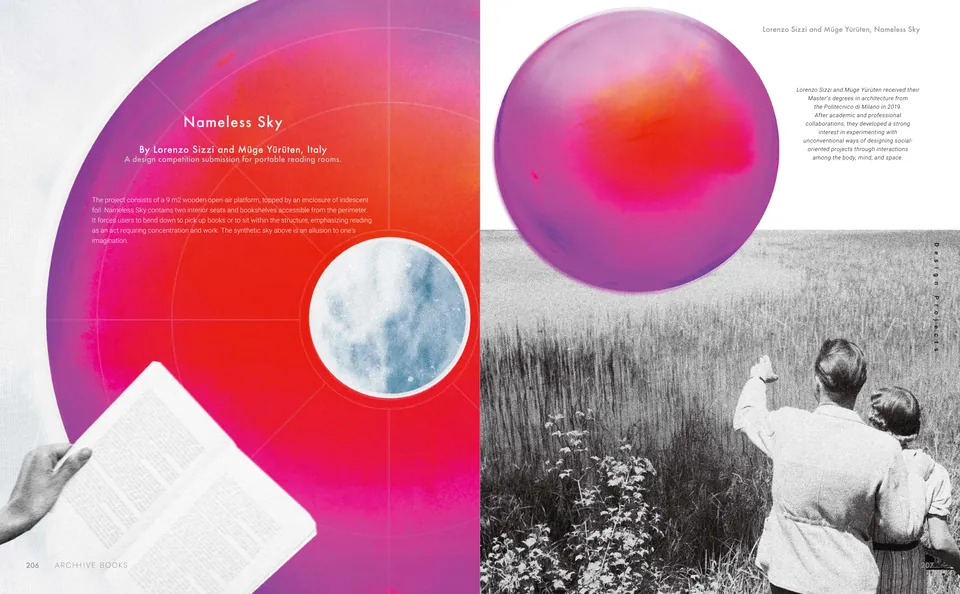
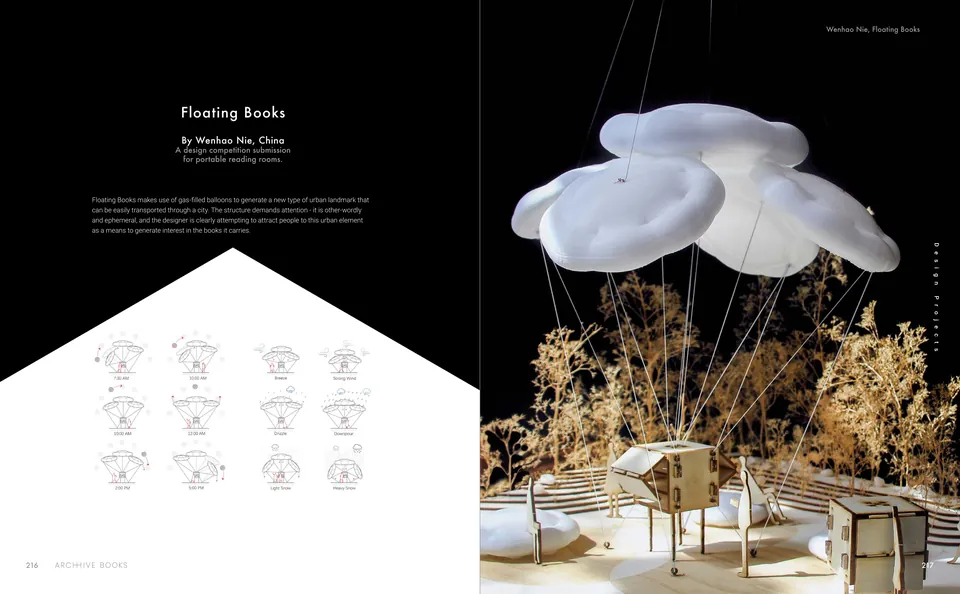
Real spreads from the printed book: the interviews come first, the competition designs later on.
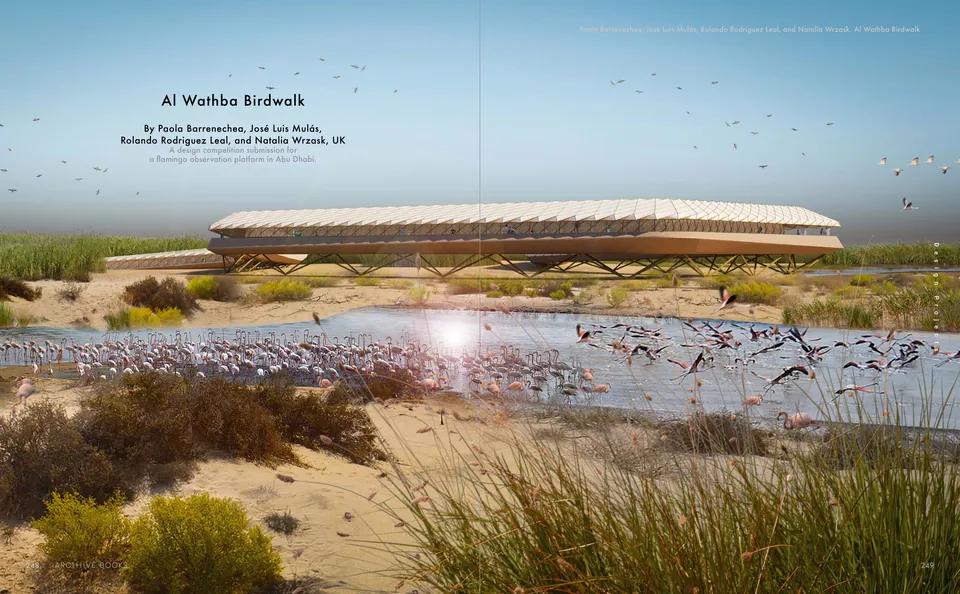
The question
ARCHHIVE is the book series in which Buildner takes its competition themes further, one question per issue. Issue 02 puts the question of small-scale architecture to the people who build it: studios and companies from nine countries, sixteen essays and twenty-two teams from the competitions.
The book opens its answer with a long list: pavilions, shelters, backyard studios, outdoor toilets, playgrounds, treehouses, phone booths, chapels, cabins, bus stops, mountain huts, sleeping pods, food trucks, reading nooks, floating rooms. Its case is that small is where big ideas are tried first, in material, in form and in the way people use a space.
A wooden island with a tree, free to anyone who swims out to it.
A shelter on a mountain plateau for watching wild reindeer.
A mirrored hut in the Alps, a cabin on wheels in a Dutch forest.
A bed rented by the hour, a phone booth, a quiet pod in the open office.
A public toilet full of light in Japan, privies flown by helicopter onto a mountain.
A play tower full of doors and stairs that lead nowhere.
A dentist’s office in a trailer that drives to its patients.
A cardboard wind tower in Dubai, a tower for watching birds.
The interviews
Case studies
Six of the built projects from the interviews, and the thinking behind them. Page numbers are those of the printed book.
01
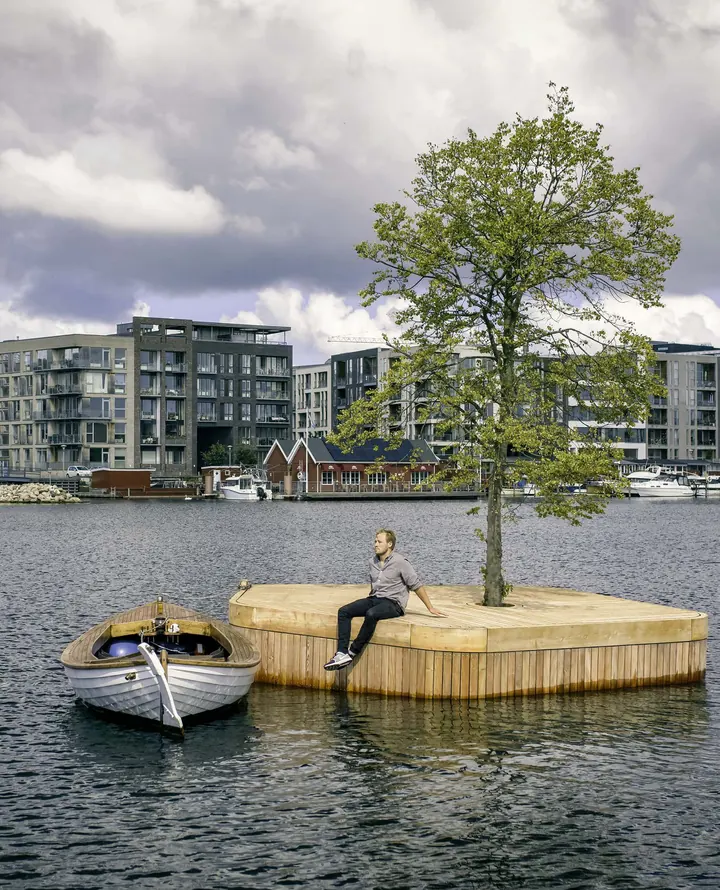
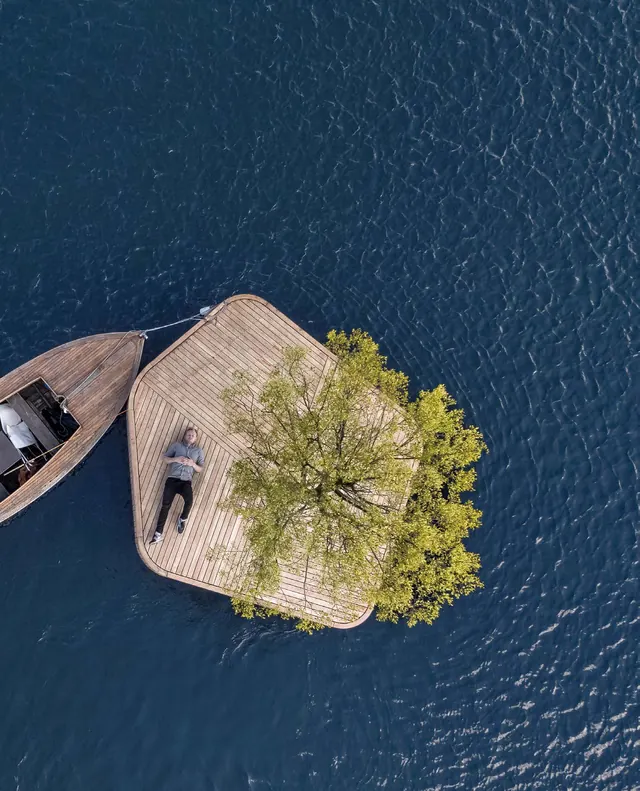
A park you swim to
Marshall Blecher and Magnus Maarbjerg, Denmark
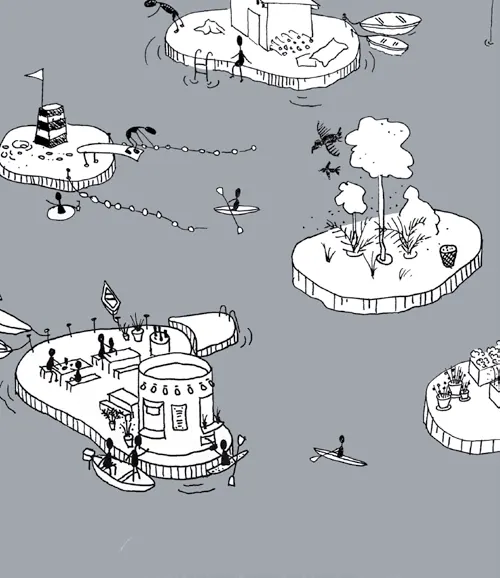
The architect Marshall Blecher and the designer Magnus Maarbjerg set a wooden island afloat in Copenhagen’s harbour, with a linden tree six metres tall at its centre. It is called Ø1, from the one-letter Danish word for island, and people use it to dive, fish, sunbathe and barbecue.
It was made by hand in the harbour’s boatyards, the way wooden boats are built, as the first piece of a floating park still to come. For Blecher, a small project works like a short story: there is only room for the idea.
Pages 42–45
02
A shelter for watching reindeer
Snøhetta, Norway
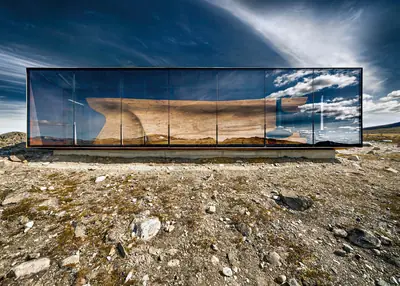
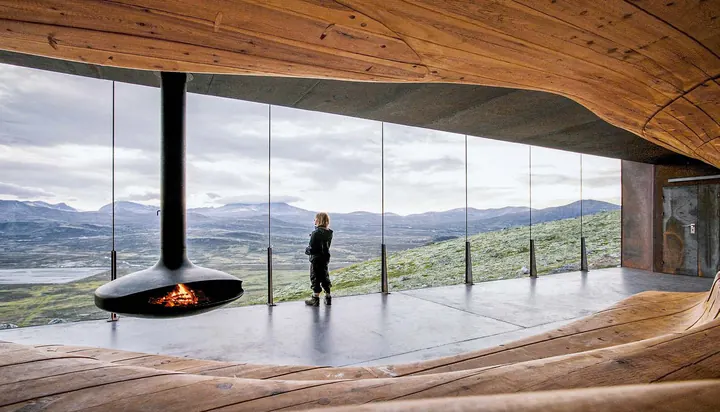
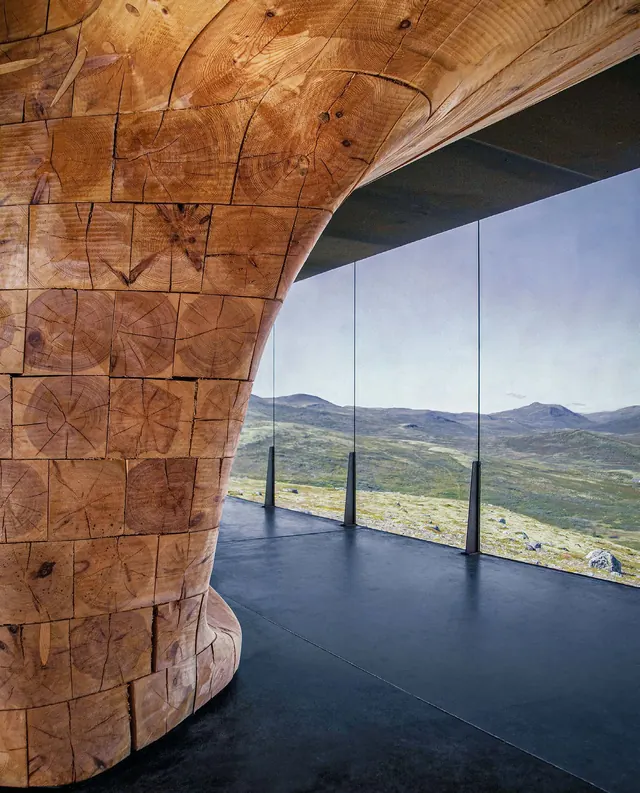
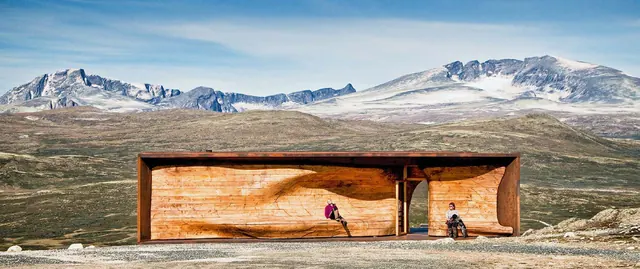
On a rocky plateau at the edge of Dovrefjell National Park, 1,250 metres up, Snøhetta built a pavilion of 90 m² for school groups and hikers who come to watch the wild reindeer. It waits at the end of a walking path one and a half kilometres long.
Outside it is a plain box of steel and glass. Inside, a wooden core shaped like rock worn down by wind and water holds a long bench that faces the view. The wood was milled by robot at a shipbuilder’s and is held together with wooden dowels alone.
Pages 52–55

03
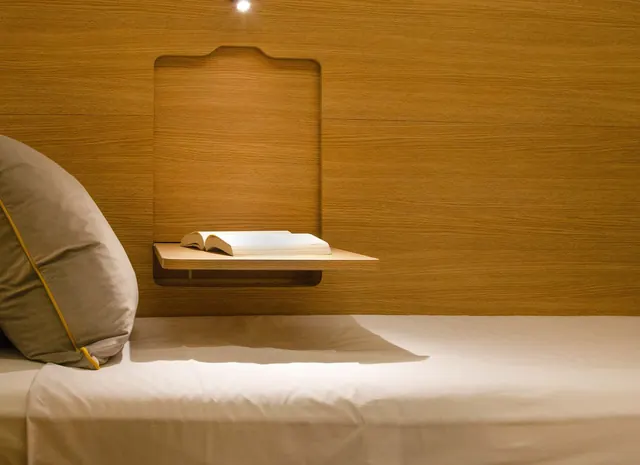
A bedroom by the hour
Mikhail Krymov, Sleepbox, USA
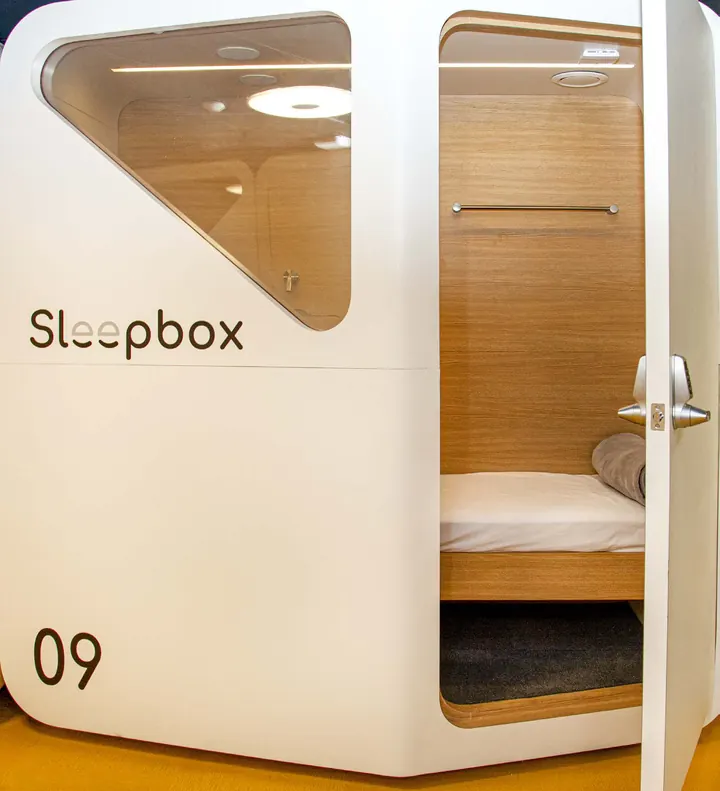
The architect Mikhail Krymov and his partner built their first room with a bed for travellers, a prototype at Moscow’s Sheremetyevo airport. Today Sleepbox is an American company, and 16 of its rooms stand past security at Washington Dulles.
Each one is a soundproof room of 45 square feet that plugs into a wall socket, with a bed, a fold-down desk and its own light and temperature. It is booked and unlocked in an app, for as little as an hour, at around a third of the price of a hotel nearby.
Pages 20–25
04
Doors that lead nowhere, on purpose
Matter Design, USA
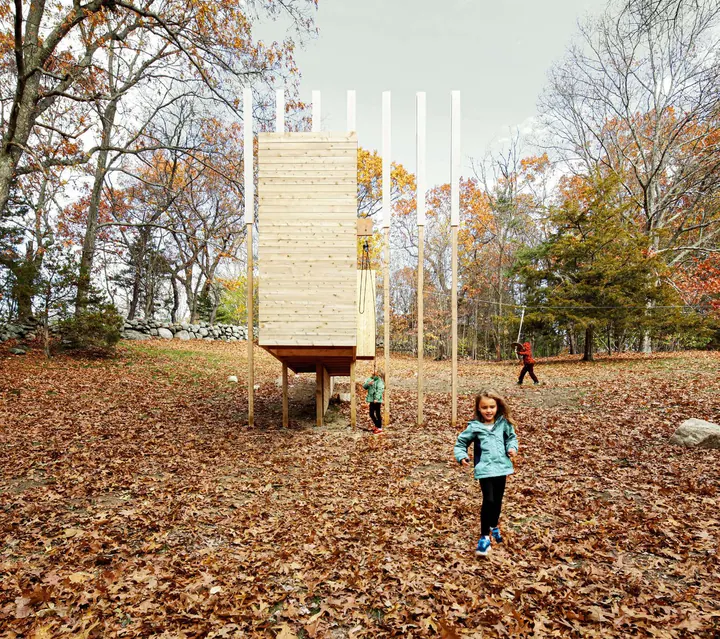
The Five Fields neighbourhood in Lexington, Massachusetts, was built around a shared field where every child could play. Decades later its residents asked Matter Design, a research lab in Boston co-founded by Brandon Clifford, for a new play structure that would stretch what play can be.
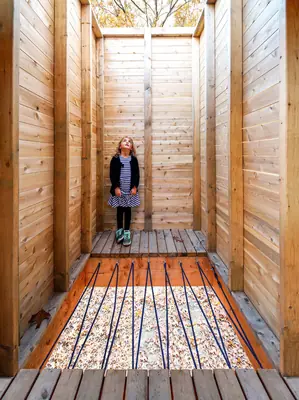
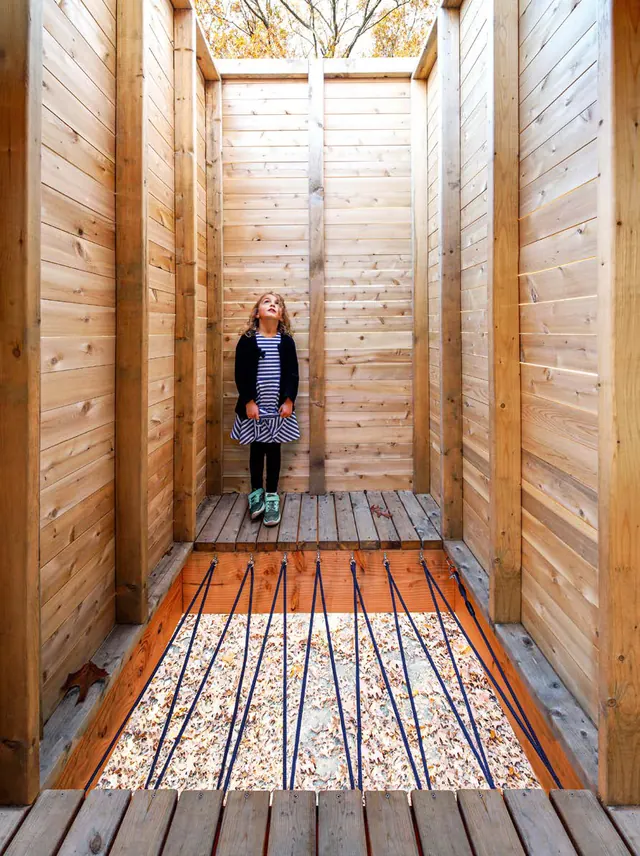
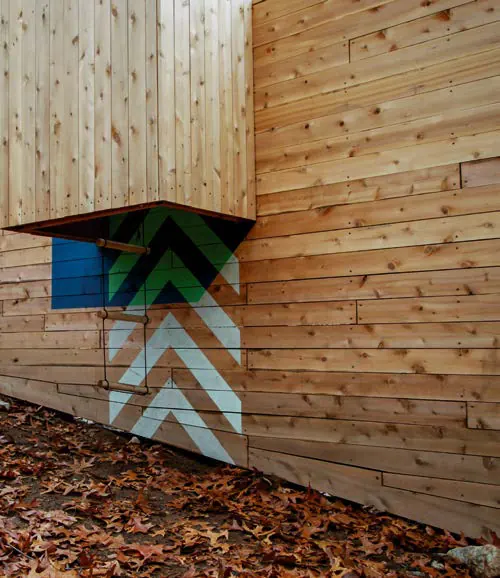
The wooden tower has doorways and stairs that go nowhere, beams that carry nothing and bright graphics that only hint at a way in. Some openings let a child burst through while an adult has to turn sideways and shuffle.
Pages 10–19
05
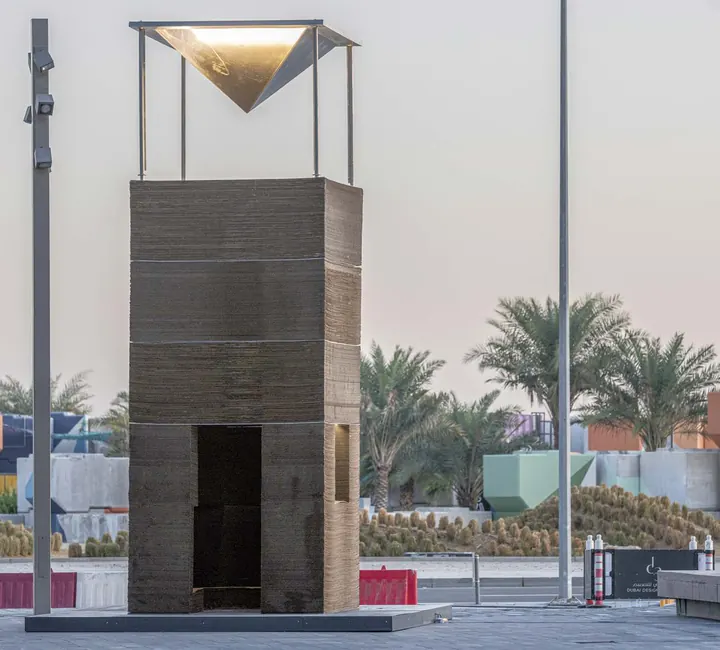
A wind tower made of cardboard
Kerim Miskavi, Miskavi Architecture Studio (MAS), Turkey
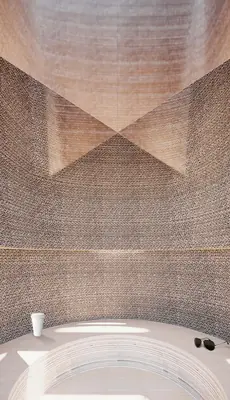
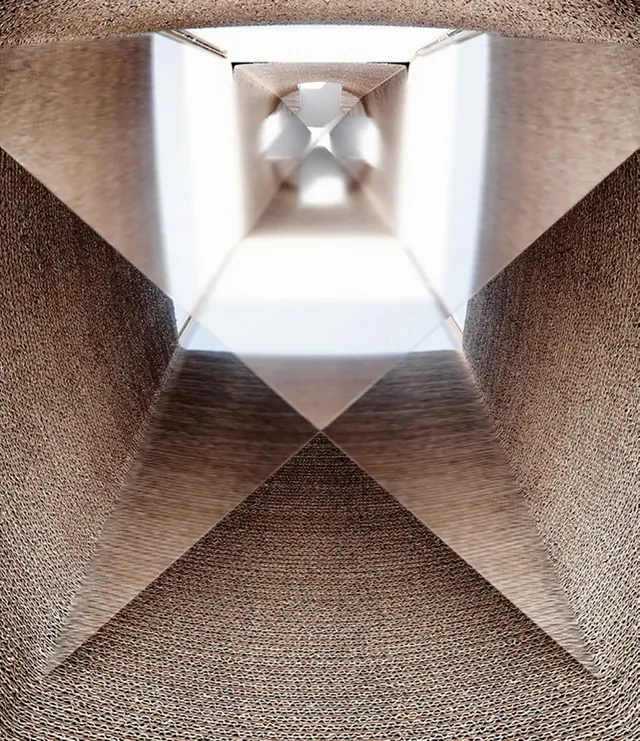
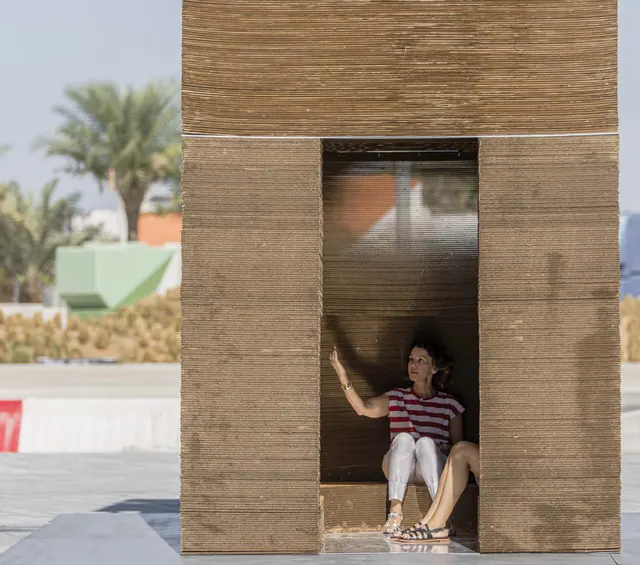
For Dubai Design Week, Kerim Miskavi’s Istanbul studio looked back to the barjeel, the wind towers that cooled homes in the Gulf before air conditioning. Their version is a place to sit and talk in the shade, cooled only by the breeze.
It is 480 layers of recycled corrugated cardboard, each cut to its own shape, stacked into four modules between aluminium sheets, with an aluminium funnel on top to catch the wind. Full-size mock-ups set the round seat for five or six people.
Pages 64–69
06
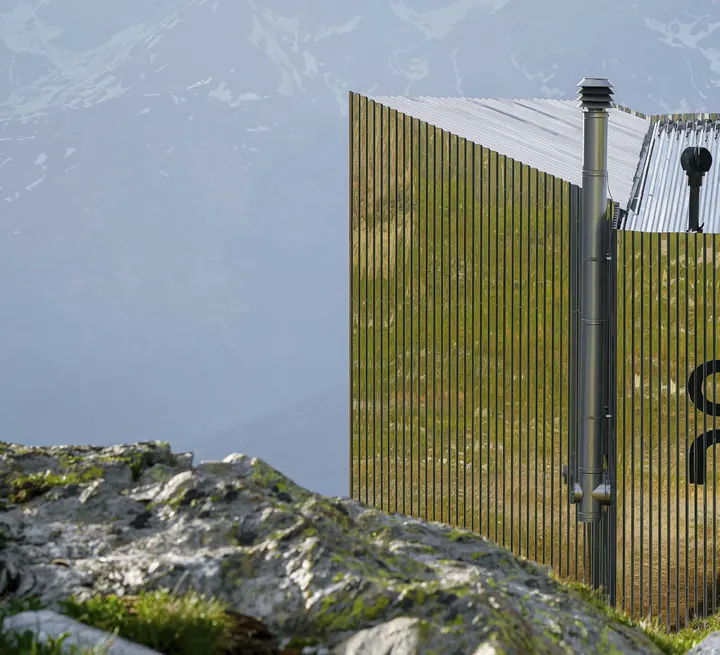
A mirror on the mountain
On, Switzerland
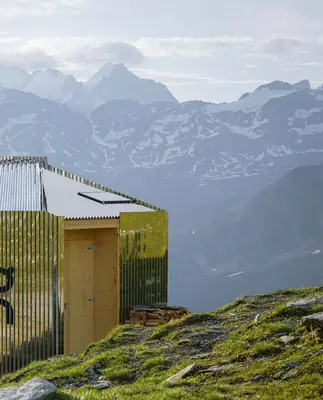
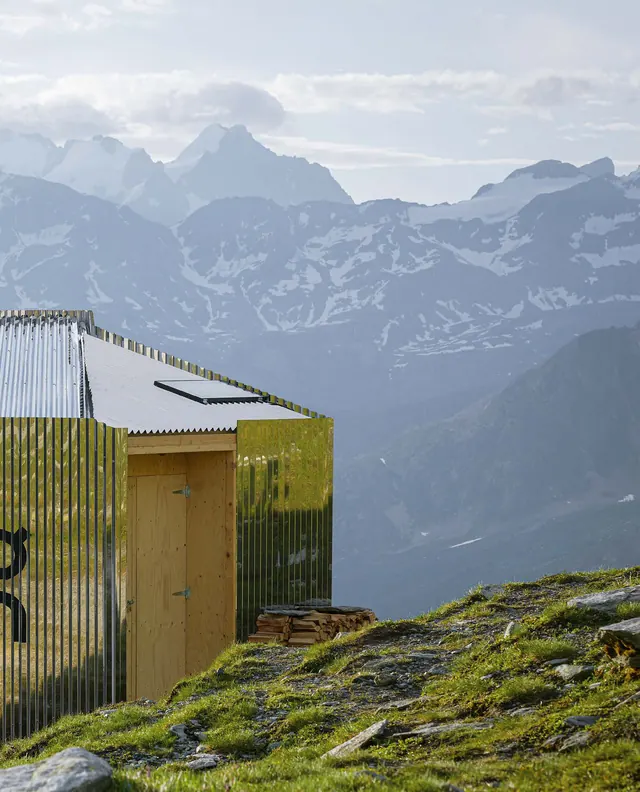
To launch its first hiking shoe, the Zurich running brand On built a temporary cabin 2,500 metres up on Piz Lunghin in the Swiss Alps, beside a lake that can only be reached on foot.
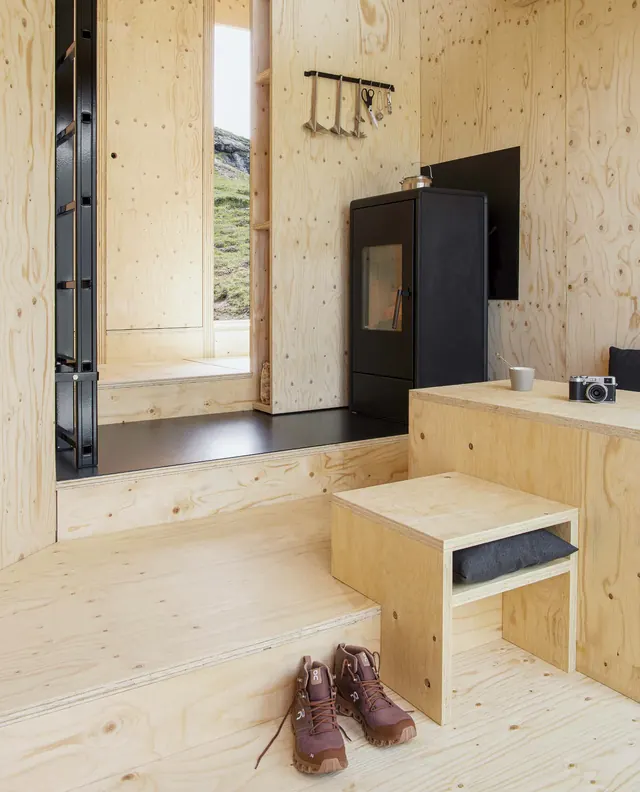
The two-storey hut has a frame of Swiss wood, plywood inside and a skin of reflective corrugated metal that mirrors the mountain around it. Solar panels power it, rain and stream water are filtered for use, and it was made to be taken apart again.
Pages 38–41
More from the book
Every interview, essay and design in the book, with its authors and the page it starts on. Choose a thread to follow.
Five Fields Play Structure
Matter Design
USA, page 10
Sleepbox
Mikhail Krymov
USA, page 20
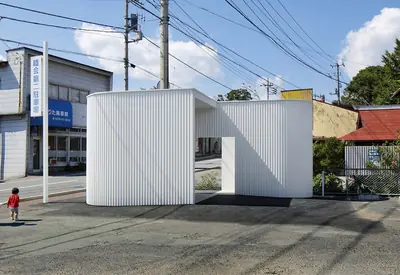
Isemachi Public Toilet
Kubo Tsushima Architects
Japan, page 26
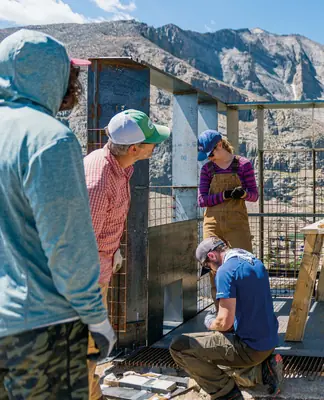
Rocky Mountain Backcountry Privies
Colorado Building Workshop
USA, page 30
On Mountain Hut
On
Switzerland, page 38
Copenhagen Floating Islands
Marshall Blecher and Magnus Maarbjerg
Denmark, page 42
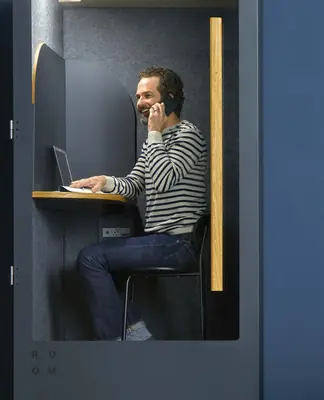
The phone booth
ROOM
USA, page 46
Tverrfjellhytta
Snøhetta
Norway, page 52
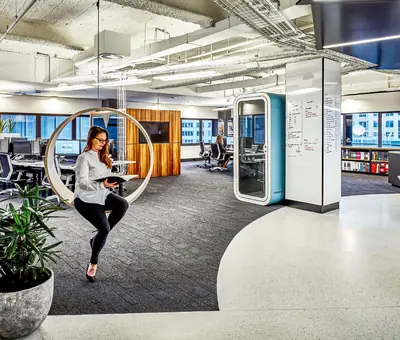
Soundproof pods
Framery
Finland, page 56
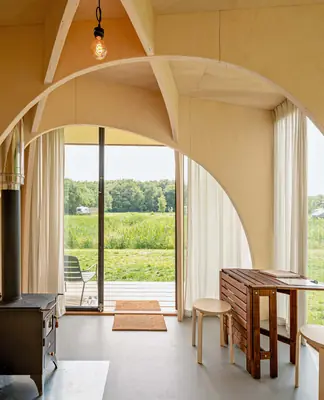
A mobile forest cabin
The Way We Build
The Netherlands, page 60
Barjeel
Miskavi Architecture Studio (MAS)
Turkey, page 64
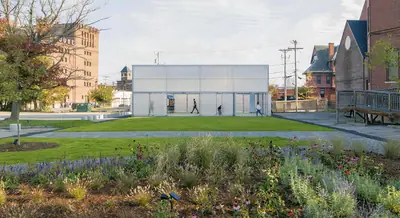
Southlight
Ultramoderne
USA, page 70
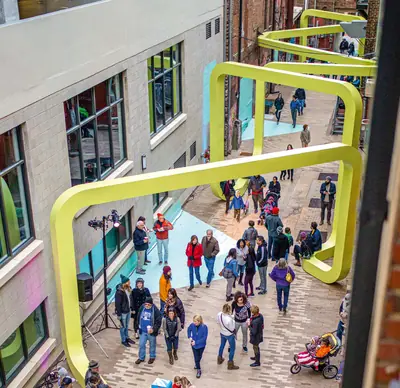
City Thread and Rounds
SPORTS Collaborative
USA, page 74
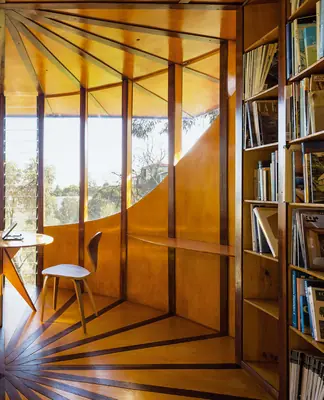
A treetop studio
Max Pritchard Gunner Architects
Australia, page 78
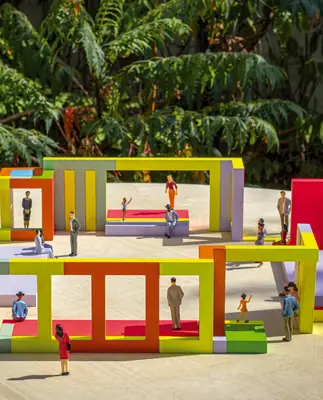
Color Block
Outpost Office
USA, page 82
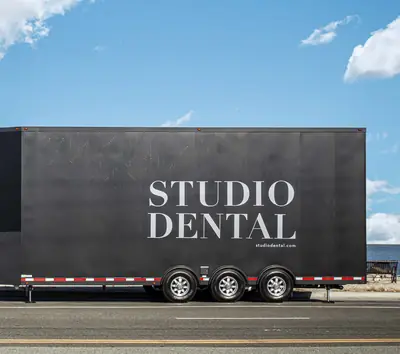
Studio Dental
Montalba Architects
USA and Switzerland, page 86
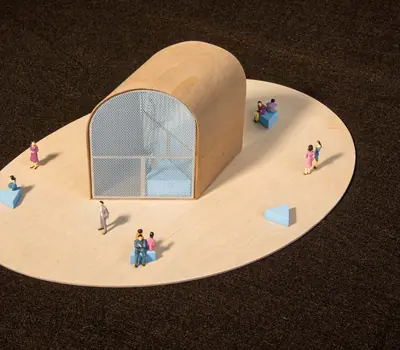
Summer Vault
Paul Preissner Architects
USA, page 90
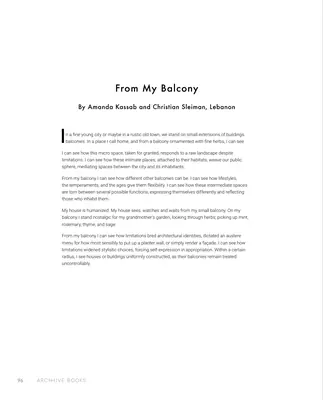
From My Balcony
Amanda Kassab and Christian Sleiman
Lebanon, page 96
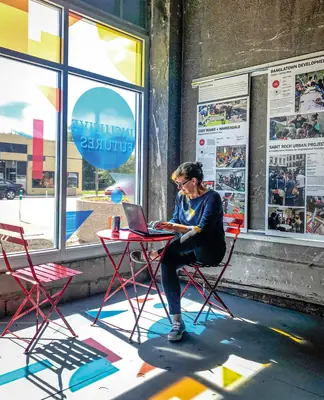
Small-scale Architecture as Tactical Preservation
Julio Cedano and Jacqueline Taylor
USA, page 98
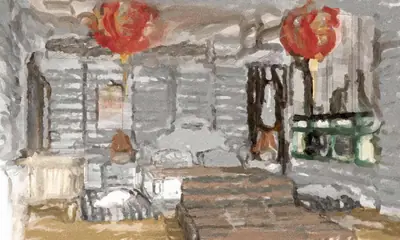
In the Realm of the Small Humans
Louie Nathaniel Kiu
Philippines, page 102

The Umbrella Colony
Paul Yakubu
Nigeria, page 104
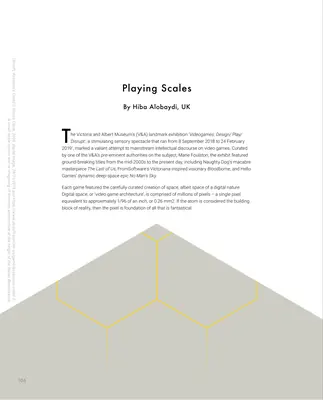
Playing Scales
Hiba Alobaydi
UK, page 106
Micro-Experiences of Architecture
Linus Tan
Australia, page 108

Think small, Design even smaller
Ana Rita Rodrigues Gomes
Portugal, page 110
Small Architecture is Skipping Dessert
Ryan Schwartz
Canada, page 112
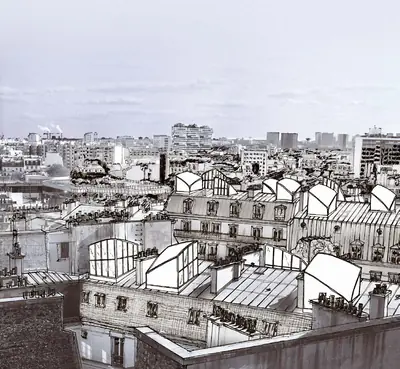
Floating Sails on Paris’ Roof Plots
Tristan Caloni and Adrien Mouginot
France, page 114
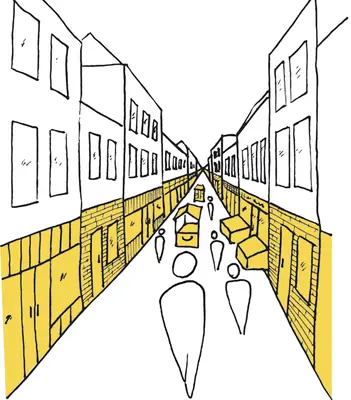
The Origin of Small
Felix Dokonal and Amanda Kaplan
Sweden, page 116
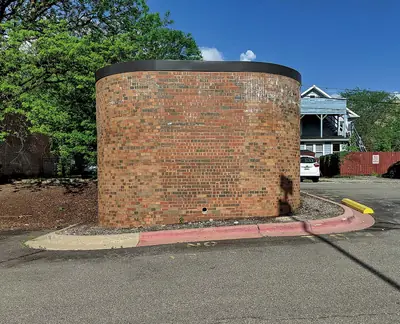
Architecture for Trash
Nick Tobier
USA, page 118
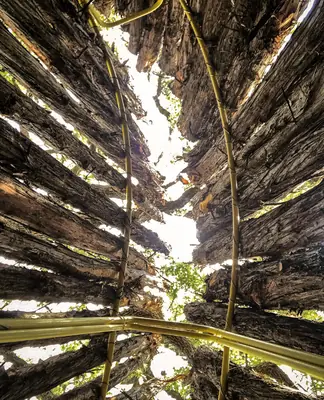
The Potential of Public Art
Elizabeth Farrell
USA, page 120
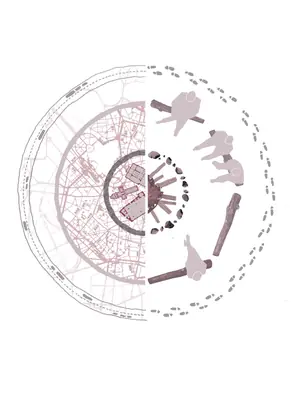
Fire City
Viktor Borg and Therese Skevik
Sweden, page 124
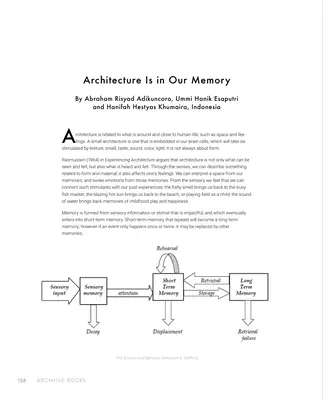
Architecture Is in Our Memory
Abraham Risyad Adikuncoro, Ummi Hanik Esaputri and Hanifah Hestyas Khumaira
Indonesia, page 126
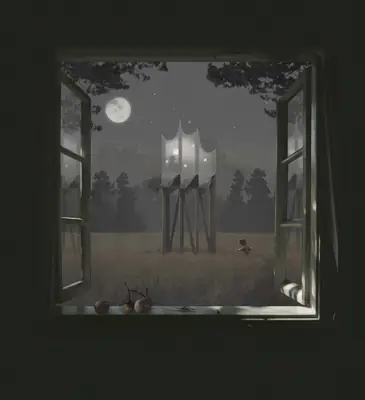
The Kids House
Daniil Iakovlev and Elena Krishtopchik
Russia, page 128
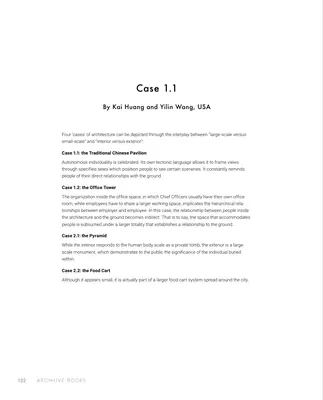
Case 1.1
Kai Huang and Yilin Wang
USA, page 132

In-Visible
Kamila Szatanowska and Paulina Rogalska
Poland, page 136

VELO, Timber Cabin
Alica Clemens and Julian Lengert
Germany, page 142
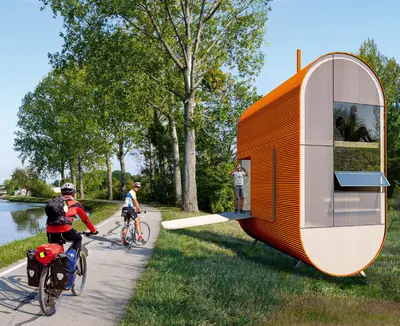
Saddle Bag
Malin Persson
Sweden, page 146

Interwoven with the Landscape
Berta Risueño Muzás and Manuel Pareja Abascal
Spain, page 150

Pape Bird Observation Tower
Jeffrey Clancy
USA, page 156
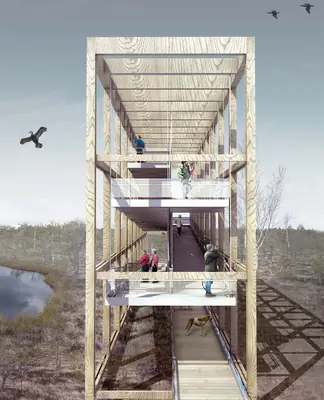
Funambulist Landscape
Ernesto Urquízar Quesada and María Cervantes Lardón
Spain, page 162
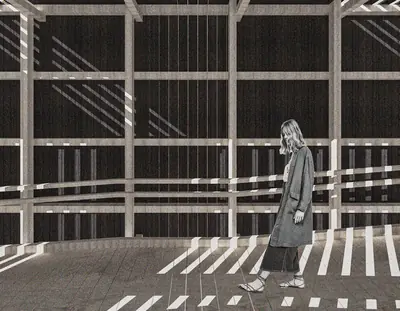
Black Box
Fanni Zita Salamin and Hunor Albert Szántó
Hungary, page 168
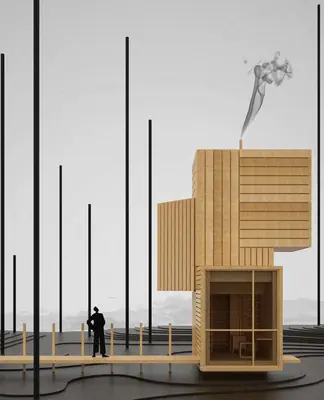
Solo Cabin
David Florez and Stefani Zlateva
Austria, page 172
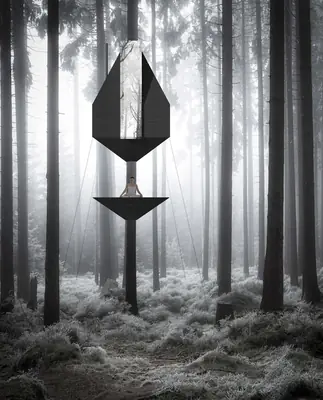
Nest
Marko Simsiö
Finland, page 178

Aesthesia
Aleksandra Białkowska, Karolina Domènech, Marta Lisiakiewicz and Emilia Oworuszko
Poland, page 182
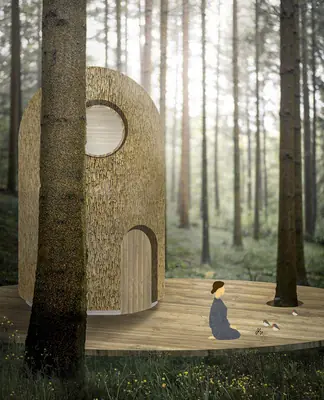
Enveloping
Andrii Koval and Olha Laktionova
Ukraine, page 188
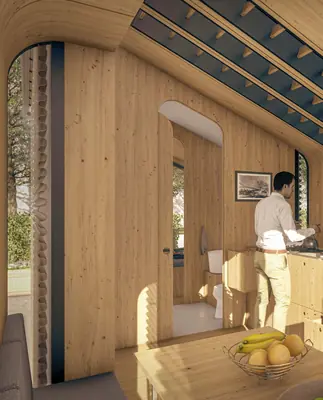
Shifting Nests
Jesse Basran and Jerry Liu
Canada, page 194
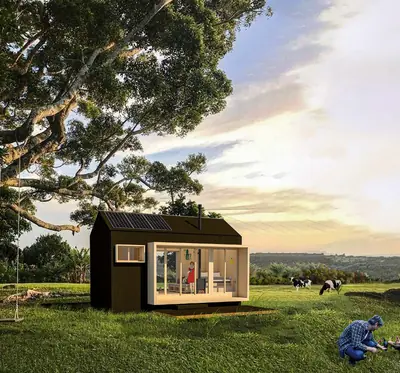
Compact House
Raina Kanari
Sweden, page 202

Nameless Sky
Lorenzo Sizzi and Müge Yürüten
Italy, page 206
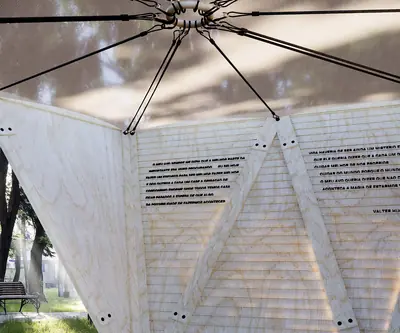
The Reading Corner
Renata Leinemann B. Wuerkert
Brazil, page 212

Floating Books
Wenhao Nie
China, page 216
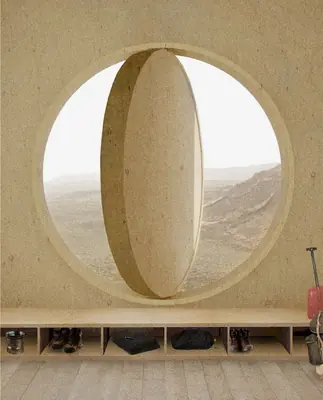
Iceland Trekking Cabins
Mattias Dahlberg, Robin Krasse and Karl Lagerqvist
Sweden, page 222
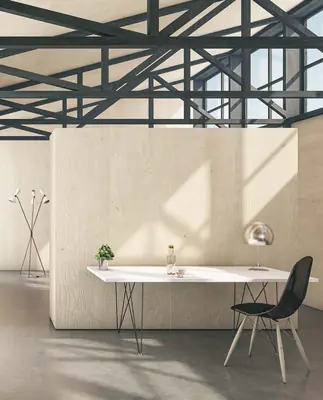
A Garden Within a Garden
Daniel Brigginshaw
UK, page 226
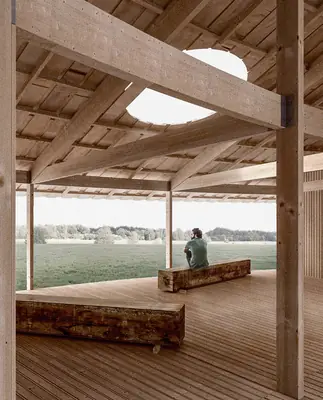
Enclosures
Linnéa Holmberg, Maria Torrent and Karl Zetterholm
Sweden, page 232
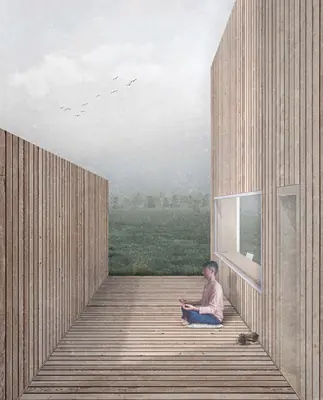
The Pitch Hut
Olga Bialczak and Katharina Kocol
Germany, page 236
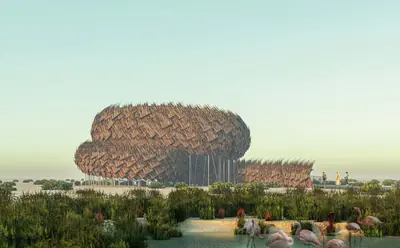
Flamingo Dreams
Bryan Fan and Shelley Xu
Australia, page 242
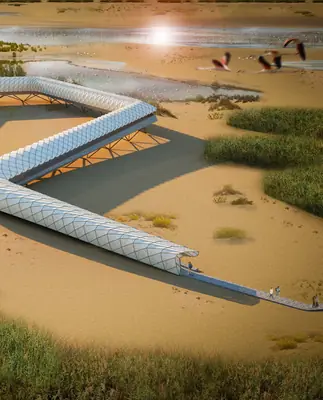
Al Wathba Birdwalk
Paola Barrenechea, José Luis Mulás, Rolando Rodriguez Leal and Natalia Wrzask
UK, page 248
Words and pictures from the book, What is Small-Scale Architecture? (ARCHHIVE Issue 02, Bee Breeders, now Buildner). Every project and its pictures by the studios and designers named; the cover picture by Marshall Blecher, Magnus Maarbjerg and Airflix.